
University libraries are vital hubs of knowledge and learning, serving as crucibles of academic discovery and growth. In this digital age, where the boundaries of information access have expanded exponentially, ensuring that university library equipment is up to date is essential. This article will delve into the significance of modern library equipment in promoting academic excellence and discuss some essential tips for universities to consider when investing in library equipment. 1. Embracing Technological Advancements: The incorporation of advanced technology is revolutionizing the way students access, interact, and utilize library resources. Universities must prioritize investments in cutting-edge equipment such as high-speed internet connectivity, smart devices, and interactive whiteboards. These tools enhance the learning experience by enabling seamless digital navigation, virtual research collaboration, and immersive multimedia engagement.
.
 2. Developing Information Commons: Creating dedicated information commons within the library is crucial for facilitating collaborative learning. Universities should invest in open and flexible spaces equipped with ergonomic furniture, interactive displays, and multimedia stations. These areas promote information sharing and foster a sense of community, encouraging students and faculty to engage in collaborative research initiatives. 3. Expanding Digital Resource Catalogs: Digital resources are rapidly overtaking traditional printed materials. To stay ahead in the digital age, universities should ensure their library equipment includes digital catalog systems that provide easy access to electronic books, journals, databases, and research papers. Implementing user-friendly search interfaces and comprehensive indexing systems empowers users to efficiently navigate vast repositories of academic information.
..
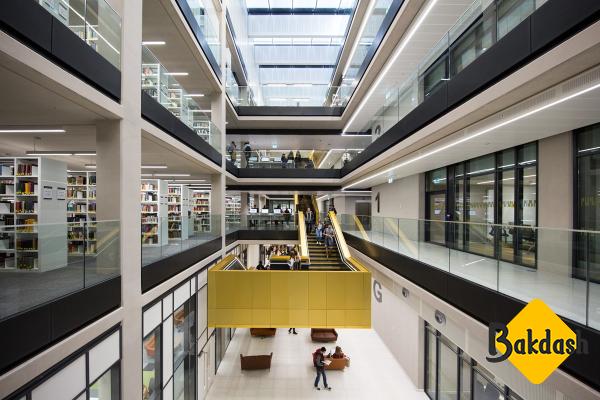 4. Incorporating Robust Security Measures: The nature of university libraries necessitates the protection of valuable assets, both physical and digital. Robust security systems, including surveillance cameras, secure entry controls, and anti-theft measures, assure the safety of library equipment and materials. Additionally, universities must employ advanced cybersecurity protocols to safeguard digital resources, ensuring student and faculty information remains confidential and inaccessible to external threats. 5. Promoting Accessibility and Inclusivity: Universities should strive to make library spaces and equipment accessible to all students, including those with disabilities. Providing features such as height-adjustable desks, ergonomic seating, adaptive computer equipment, and assistive technologies (e.g., screen readers and text-to-speech software) foster inclusivity and equality, empowering every student to access and benefit from the library’s resources.
…
 6. Encouraging Continuous Staff Training: To fully leverage the potential of modern library equipment, universities should invest in ongoing staff training programs. Ensuring librarians and library technicians are well-versed in the operation and maintenance of new equipment guarantees efficient use and maximizes the benefits for library users. Regular trainings can also cover emerging trends in library technology to keep the library at the forefront of academic research and information dissemination. Conclusion: Investing in modern university library equipment is crucial for promoting academic excellence. By embracing technological advancements, enhancing collaborative spaces, expanding digital resource catalogs, implementing security measures, promoting accessibility, and prioritizing staff training, universities can create a library environment that encourages academic exploration, supports diverse learning needs, and empowers students and faculty to achieve their highest potential.










Your comment submitted.