
In recent years, there has been a remarkable shift in the way people work, with an increasing number of individuals opting for standing desks as a solution to counteract the negative effects of prolonged sitting. As research highlights the health risks associated with sedentary lifestyles, the standing desk trend has gained significant momentum. This article aims to shed light on the benefits of standing desks and why businesses should consider their adoption in the workplace. 1. Enhancing Employee Well-being: Sitting for long hours can result in muscle imbalances, lower back pain, and increased risk of chronic diseases. Standing desks provide a viable alternative by promoting better posture, improved blood circulation, and reduced strain on the neck and shoulders. By prioritizing employee well-being, businesses can expect increased productivity, reduced absenteeism, and improved overall morale. 2. Boosting Physical Activity: While traditional desks confine movement to a sedentary state, standing desks encourage greater physical activity during the workday. Standing increases caloric expenditure and engages the core muscles, leading to improved overall fitness.
.
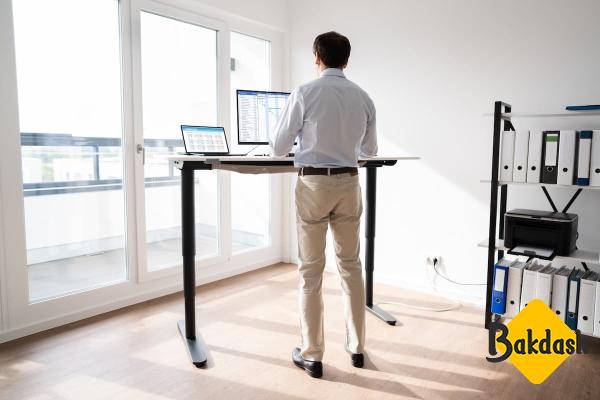 Incorporating brief walking or stretching breaks can further enhance employee vitality and creativity. Encouraging movement through standing desks can create a healthier and more energetic work environment. 3. Combating the Health Dangers of Sedentary Lifestyles: The rise of technology has led to a surge in sedentary behavior, with many jobs requiring employees to be desk-bound. This sedentary lifestyle has been linked to an increased risk of obesity, cardiovascular diseases, and musculoskeletal disorders. By implementing standing desks, businesses can actively address these health concerns while promoting a healthier work culture. 4. Increased Focus and Productivity: Studies have shown that standing desks can significantly enhance cognitive function and productivity. Standing boosts alertness, concentration, and creativity, leading to improved performance and reduced errors. Furthermore, standing desks eliminate the mid-afternoon slump commonly associated with sedentary work, resulting in sustained energy levels throughout the day.
..
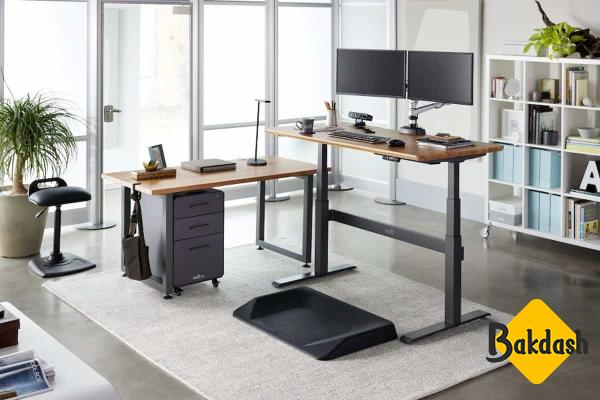
 5. Customization and Adaptability: One of the key advantages of standing desks is their adaptability to individual needs. Offering adjustable desks allows employees to seamlessly transition from sitting to standing positions, thus accommodating their comfort preferences. Technology integration, such as height-adjustable desks with sit-stand reminders or activity tracking features, can further enhance the user experience and encourage healthy habits among employees. 6. Promoting a Positive Corporate Image: Embracing standing desks demonstrates a commitment to employee well-being and a proactive approach towards health. This, in turn, can enhance an organization’s reputation as an employer of choice and attract top talent.
…
 By investing in the well-being of their workforce, businesses can create a positive corporate image with a focus on employee satisfaction and a genuine interest in their long-term health. Conclusion: With the mounting evidence highlighting the dangers of prolonged sitting, standing desks have emerged as an innovative solution to the health risks associated with sedentary work environments. Prioritizing employee well-being by implementing standing desks not only creates a healthier workplace but also leads to numerous benefits, including increased productivity, reduced healthcare costs, and improved employee morale. Ultimately, businesses that adapt and embrace this growing trend are well-positioned to foster a healthier and more productive work environment.










Your comment submitted.