
As educators, administrators, and parents, we understand that the furniture we choose for our educational institutions plays a vital role in the well-being and productivity of students. While school chairs may seem like a trivial component of the learning environment, they can significantly impact students’ comfort, attention span, and overall academic performance. This article aims to highlight the key factors to consider when selecting school chairs, offering guidance that will help create classrooms that foster an optimal learning experience. 1. Ergonomic Design: In today’s age of digital learning, students spend countless hours sitting in school chairs. Therefore, it is crucial to prioritize chairs with ergonomic designs. Ergonomics promotes proper posture, reduces strain on the body, and increases comfort.
.
 Look for chairs with adjustable seat height, backrests that support the lumbar region, and armrests for proper arm support. 2. Material and Durability: School chairs endure heavy daily use, so durability is paramount. Invest in chairs crafted from high-quality materials, such as sturdy plastics or metals, with reinforced joints and legs. These materials should be scratch-resistant, easy to clean, and capable of withstanding regular wear and tear. With chairs that last, schools can save money in the long run by reducing the frequency of replacements. 3. Flexibility and Adaptability: Modern classrooms often require a dynamic learning environment that accommodates different tasks and teaching methods.
..
 Flexible chairs can easily adapt to varying seating arrangements, enabling collaborative group work or individual learning. Look for chairs that are lightweight, stackable, and foldable, allowing for easy storage and rearrangement according to classroom needs. 4. Comfort and Support: Uncomfortable seating can distract students from focusing on their studies and lead to physical discomfort in the long run. Seek chairs with well-padded seats and backrests that provide sufficient cushioning and support. Additionally, consider chairs with contoured designs that hug the body’s natural shape, promoting correct posture and reducing strain. 5. Safety Features: Ensuring the safety of students should be a primary concern when selecting school chairs. Look for chairs with rounded edges to minimize the risk of injuries. Furthermore, chairs with non-slip feet provide stability, preventing accidents and minimizing disruptions during class time. Additionally, chairs with fire-resistant materials and compliance with safety standards are crucial to maintaining a secure learning environment.
…
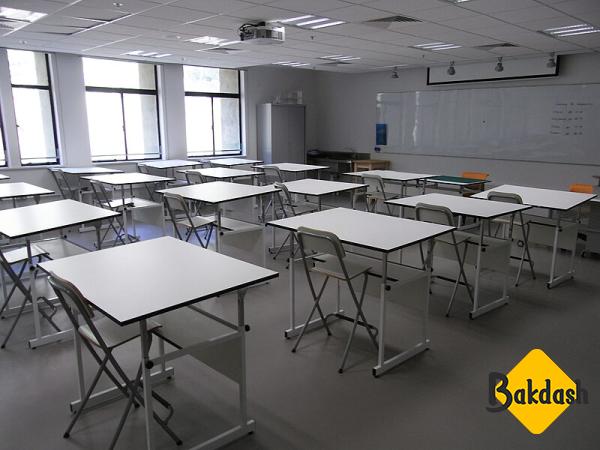 6. Aesthetics and Functionality: Creating an inviting and visually appealing learning environment can have a positive impact on students’ engagement and morale. Consider choosing chairs in colors that stimulate learning and enhance the overall atmosphere. Additionally, chairs with functional features like built-in storage compartments or writing tablet arms can optimize space utilization and facilitate a more organized classroom. Conclusion: When it comes to school furniture, the importance of choosing the right chairs cannot be overstated. By considering ergonomic design, material quality, adaptability, comfort, safety, and aesthetics, educational institutions can provide students with an environment that promotes focus, creativity, and overall well-being. Investing in high-quality school chairs may be a worthy initial cost that contributes to long-term benefits in the form of improved academic performance and student satisfaction.










Your comment submitted.