
In an era of rapidly evolving technology and information accessibility, libraries have stepped up their efforts to meet the changing needs of their patrons. One crucial aspect in achieving this goal is the effective organization and management of library resources. This is where modern library shelving systems play a pivotal role. This article aims to highlight the importance of library shelves and shed light on how incorporating modern shelving solutions can enhance library efficiency and improve the overall user experience. 1. Maximizing Space Utilization: One of the primary challenges libraries face is the need to accommodate a growing collection within limited physical space. Modern library shelving systems provide an innovative solution by optimizing space utilization.
.
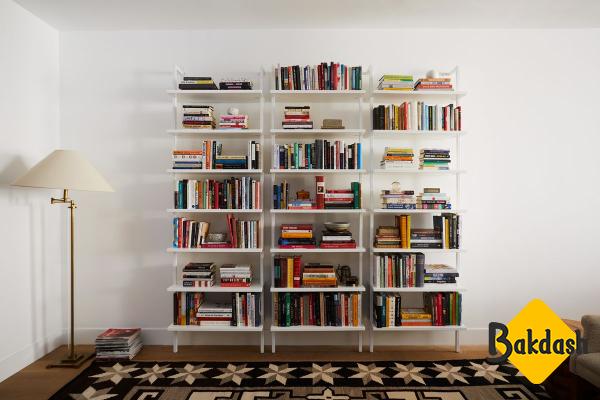
 Adjustable shelves that can be easily moved or removed allow libraries to adapt their storage layout as the collection evolves. Additionally, compact shelving systems, such as mobile or high-density shelving, maximize available space by condensing shelving units to increase accessibility and capacity. 2. Efficient Organization and Accessibility: Library shelves play a significant role in organizing and categorizing library materials. Modern library shelving systems offer various features that enhance organization and accessibility. Individual, customizable compartments within shelves facilitate the arrangement of different formats and sizes, ensuring easy retrieval of materials. Moreover, integrated labeling systems, such as color-coding or digital classification, assist both library staff and patrons in quickly locating specific items, enhancing overall efficiency.
..
 3. Preservation and Protection: Library shelves play a crucial role in the preservation and protection of valuable resources. Modern shelving systems integrate protective measures that minimize damage caused by improper handling or environmental factors. Built-in humidity and temperature controls, dust-resistant surfaces, and materials with non-reactive properties ensure the longevity of books, archives, and other materials. By investing in quality shelving systems, libraries actively contribute to the preservation of their collections. 4. Ergonomics and Safety: The physical well-being of library staff and patrons is equally important. Modern library shelving systems prioritize ergonomics and safety to create a comfortable and hazard-free environment. Adjustable shelves, user-friendly retrieval mechanisms, and proper lighting reduce the risk of strain or injury during daily library operations. Additionally, shelving systems designed with durability and stability in mind ensure the safety and security of library materials and users.
…
 5. Flexibility for Future Growth: Libraries constantly evolve and expand their collections to cater to the diverse needs of their users. Modern library shelving systems offer the flexibility required to accommodate future growth. Modular designs and scalable configurations allow libraries to easily extend or reconfigure their shelving systems as their collection expands. Flexibility in shelving solutions ensures that libraries remain adaptable and are able to meet the demands of their changing user base. Conclusion: In an age where digital resources are thriving, libraries continue to provide invaluable access to physical materials and services. The efficient organization and management of library resources are indispensable in ensuring a positive user experience. Modern library shelving systems address these needs by maximizing space utilization, improving organization and accessibility, preserving valuable materials, ensuring safety, and allowing for future growth. By investing in these innovative shelving solutions, libraries can enhance efficiency and foster a vibrant and engaging experience for patrons.








Your comment submitted.